Service Overview
Application development turns a business requirement into software that people can use to complete tasks, access information, or interact with a service. It involves understanding the problem, deciding what the application must do, designing the experience, building the features, and testing the result before release.
Mrig IT Shop develops business applications and customer-facing apps. Some projects begin with a clear specification, while others start with a workflow problem that needs to be examined before features are chosen. In both cases, we focus on a realistic scope, a usable interface, and a foundation that can be maintained.
What Does Application Development Involve?
Application development includes requirement analysis, feature planning, interface design, data and integration work, testing, deployment, and ongoing support. The exact activities depend on whether the application is intended for internal staff, customers, or both, and on the devices and systems it must work with.
Business applications
Business applications support internal processes such as enquiry tracking, bookings, inventory, reporting, approvals, or customer records. These projects often need clear roles, reliable data handling, and workflows that match how the team actually works. We spend time understanding the process before deciding how the software should behave.
Customer-facing applications
Customer-facing apps help people discover a service, place a request, manage an account, or communicate with your business. They need a simple experience, clear feedback, and careful handling of personal information. We consider the customer journey alongside the operational requirements behind it.
Mobile and web applications
Applications may be delivered through a web browser, a mobile device, or both. The right approach depends on how users will access the service, what device features are needed, and how the application will be maintained. We discuss target platforms and recommend an approach during planning; support for a specific platform is confirmed before development begins.
Why Does Your Business Need a Well-Planned Application?
Software can remove repetitive work, make information easier to find, and give customers a more convenient way to interact with your business. It can also create complexity if the requirements are unclear or the scope grows without control. A structured development process helps avoid building features that do not solve a real problem.
- Replace manual processes that consume time or create errors.
- Give staff a consistent way to record and retrieve information.
- Offer customers a convenient self-service or inquiry experience.
- Connect data and workflows that currently sit in separate tools.
- Test important journeys before releasing to users.
- Create a maintainable base for future improvements.
What We Offer
Requirement analysis and feature planning
We work with you to define the users, tasks, constraints, and desired outcomes. Features are prioritised so the first release delivers a coherent core rather than a long list of unfinished ideas. We also identify dependencies, assumptions, and decisions that need to be made before development.
UI/UX design
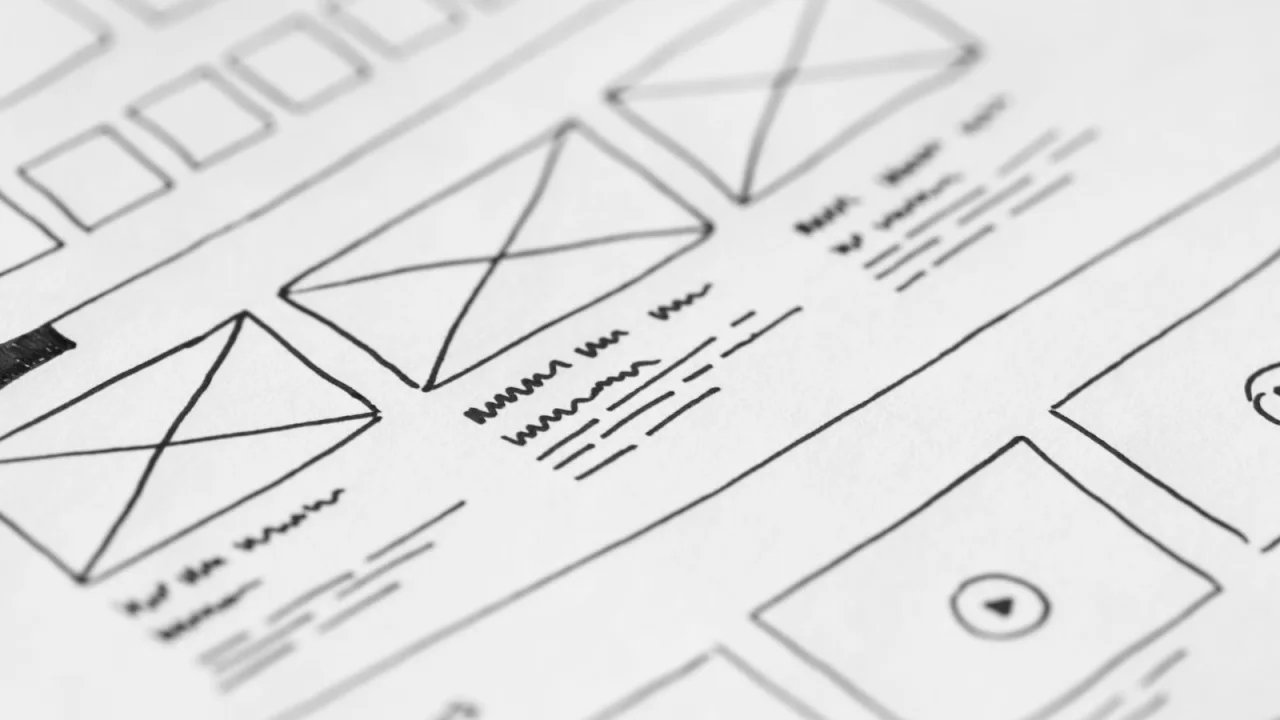
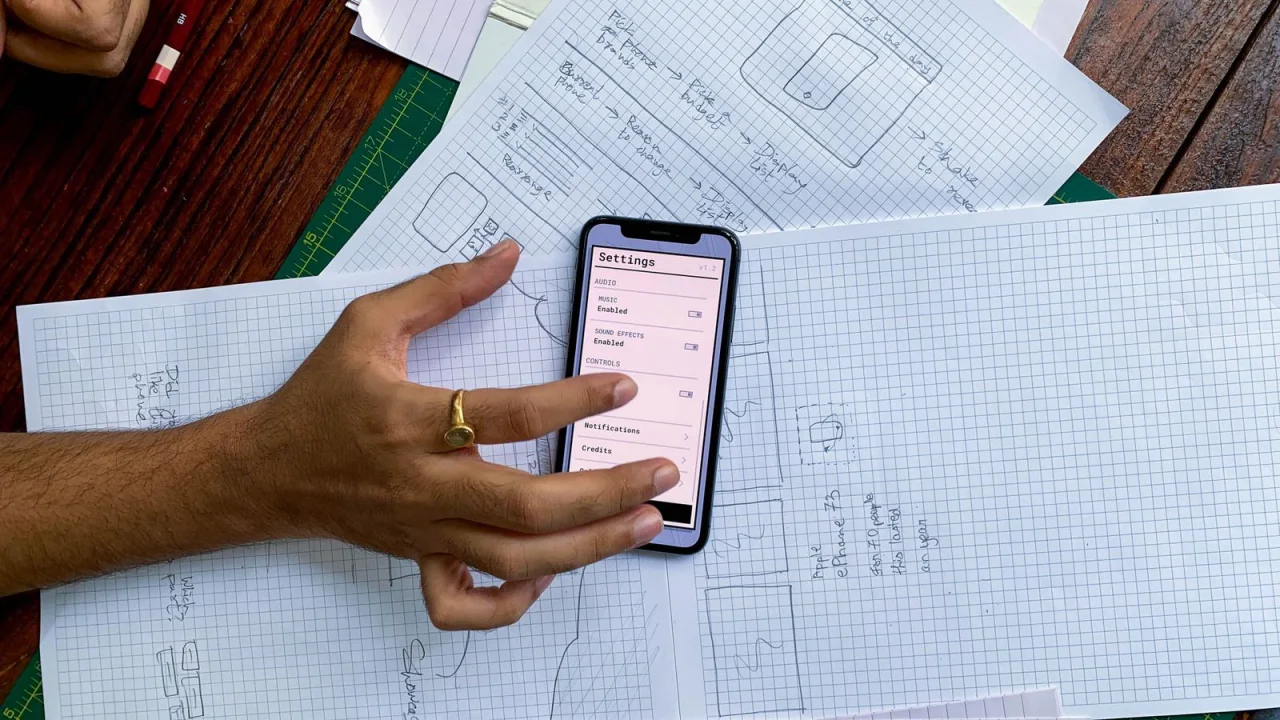
The interface is designed around the tasks users need to complete. We plan flows, wireframes, screens, and interaction states, then refine them before development. For applications with complex data or repeated actions, clarity and consistency matter as much as visual appeal.
Backend integration and databases
Applications often need to store records, authenticate users, send notifications, or connect with existing systems. We plan the data model and integration points, then implement and test the agreed backend behaviour. Integrations are confirmed during planning so that dependencies and access requirements are understood early.
Testing and deployment
We test key journeys, form handling, permissions, error states, and responsive behaviour before release. Deployment is planned with the hosting or distribution requirements in mind. Where an app store or third-party review is involved, those external timelines are outside our direct control.
Maintenance and ongoing support
Applications require updates, monitoring, bug fixes, and occasional enhancements after launch. We discuss a support arrangement that fits the project and your internal capacity. Maintenance is not automatically included unless it is agreed in the scope.
Security and scalability considerations
We follow sensible practices for authentication, access control, input validation, and data handling. We also consider how the application may grow, but we do not promise unlimited scale or anticipate every future requirement. Architecture decisions are explained in relation to the current scope and realistic growth.
Key Features and Benefits
- Requirements and features prioritised around real user tasks.
- Interface design that supports efficient completion of work.
- Database and backend integration planned alongside the front end.
- Testing of key journeys, permissions, and error scenarios.
- Clear deployment planning and handover.
- Security-conscious handling of access and user data.
- Support options for maintenance and future improvements.
Our Process
- Discovery: We understand the problem, users, existing systems, and business constraints.
- Scope and feature plan: We agree on priorities, assumptions, and what the first release must achieve.
- Design: We map flows and prepare the interface for review.
- Development: We build the agreed features and integration points in stages.
- Testing and review: We test key scenarios and address agreed issues before release.
- Deployment and support: We launch the application, hand over documentation, and discuss ongoing maintenance.
Who Can Benefit?
Businesses with repetitive internal processes, customer service workflows, booking or enquiry flows, field activity, or data that needs to be accessed from multiple places can benefit from a well-planned application. The right scope may be a focused internal tool, a customer portal, or a broader mobile and web product.
Why Choose Mrig IT Shop?
We ask difficult questions early because unclear requirements become expensive later. We prefer incremental delivery and testable milestones over vague promises. We also explain the limits of a proposed scope and the work required to maintain it, so you can make an informed decision rather than discovering hidden complexity after launch.
Frequently Asked Questions
Which platforms do you support?
We discuss the target platforms during requirement analysis. A web application, a mobile application, or a combination may be appropriate depending on the users and required features. Platform support is confirmed in writing before development begins; we do not assume a particular platform is included.
How do you decide what goes into the first version?
We prioritise features that are essential to the core user journey and business outcome. Nice-to-have ideas are documented for later consideration. This approach reduces risk and gives users a coherent product to evaluate.
How long does an application project take?
Timelines vary with the number of user roles, screens, integrations, and review cycles. We provide a milestone plan after the scope is agreed. Changes to scope during development may affect the timeline and budget.
Do you provide ongoing support?
Support can be arranged after launch. It may include bug fixes, updates, monitoring, or enhancements. The level of support depends on the application and your internal capabilities, and it is agreed separately from the initial build.
Can you integrate with our existing systems?
Integration is possible where the existing system provides a suitable interface and access. We review the available documentation and test the connection during the project. We confirm feasibility before committing to a specific integration.
Get Started
Describe the workflow or customer problem you want to address, and we will help you assess whether an application is the right solution. Contact Mrig IT Shop at +91 96251 23533 or mrigmayiv@gmail.com, or use the inquiry form on this page.